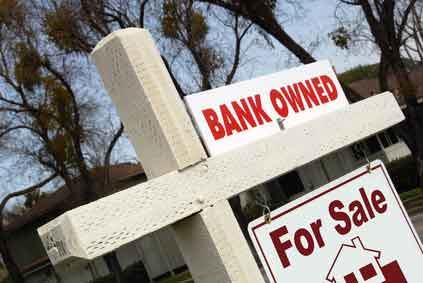
A hurricane storm surge can take away someone’s home in a matter of minutes.
Now imagine an even bigger, more powerful wave — one strong enough to wash out the wealth of thousands of homeowners — but washing over the community for a year, two years, or more.
That’s the foreclosure wave riding along with the nation’s current financial crisis. In Florida, the flood is far from cresting, and thousands of homeowners are struggling in its undertow.
A growing wave of foreclosures is adding to the woes of South Florida residents. In addition to displacing homeowners, landlords who stop paying for utilities, trash removal, and other services on foreclosed properties often leave renters in squalid, unsafe conditions. Many who are forced to leave have nowhere to go.
Miami Herald reporter Monica Hatcher describes the plight of one homeowner, Miami-Dade schoolteacher Marisela Gonzalez. After a long struggle, Gonzalez has finally decided to give up and let her house go back to the bank — or in this case, into the hands of the federal government, which is holding her lender, IndyMac, in financial receivership after the bank’s failure.
Failure may also be the word to describe the government’s efforts so far at fighting off the foreclosure tsunami. Reports the Herald, for example, “Hope for Homeowners, passed by Congress in July, was expected to help 400,000 borrowers avoid foreclosure with Federal Housing Administration guarantees of up to $300 billion in refinanced loans. So far, only 350 loans nationwide have been refinanced, according to the U.S. Department of Housing and Urban Development.”
Some observers argue that homeowners have only themselves to blame, if they leveraged their ownership to refinance their homes, taking cash out on terms they couldn’t afford to repay. But the foreclosure wave is also making life tough on renters, who had no choice in the matter but who are now stuck in rental housing that a financially failing landlord can’t, or won’t, maintain.
In a December story, Hatcher wrote: South Florida’s foreclosure crisis is creating unique hardships for renters in some apartment buildings. Unlike tenants of condos and houses, apartment dwellers rely on landlords to collect garbage, keep up the premises and make repairs. The cost is included in the monthly rent. So when a landlord enters foreclosure, those services often stop, leaving residents without vital utilities and sometimes in unsafe conditions. They may be forced to move. Low-income renters sometimes have nowhere to go. Will the new administration bring hope and change for homeowners and renters beset by foreclosure? It’s too early to tell, of course. But foreclosure relief was already on the Congress’ agenda even before Barack Obama took office. One bill to watch is Senate Bill 61, re-introduced on January 6 by Senator Dick Durbin of Illinois (a companion bill was introduced in the House by Congressman John Conyers of Michigan). Durbin’s bill, titled the “”Helping Families Save Their Homes in Bankruptcy Act,” aims to empower bankruptcy court judges to restructure the terms of home mortgages when a homeowner files for bankruptcy — a power bankruptcy courts currently lack.
Said Durbin’s office in a press release: Today, virtually every type of personal debt, including vacation homes and family farms, can be restructured in bankruptcy with the exception of mortgages on a primary residence. This exception dates to the 1970’s, when most mortgages were fixed rate, long term agreements between local bankers and their neighborhood customers. The mortgage market has changed considerably since the 1970’s, and mortgages on primary residences are often now the primary cause of financial distress. This bill would help the bankruptcy code catch up with these changes in the mortgage market.
Senator Durbin has been pushing his proposed bankruptcy law change since 2007, to little avail. But with a new party lineup in the Congress, and a continued deepening of the global financial crisis, the idea may face better odds this year. On January 9, CitiGroup boss Vikram Pandit came out in favor of the deal, a sign that bankers may be warming up to the idea (see the Wall Street Journal’s coverage).
New York Senator Chuck Schumer said that the CitiGroup move has “broken the dam” of banker opposition to the so-called “cramdown” measure, and that other bankers have already contacted him in support of the change. On the other hand, the Mortgage Bankers Association still remains officially opposed to the idea. However, Senate proponents say they will try to wrap the bankruptcy reform into the $850 billion emergency stimulus bill now moving through Congress. If that effort succeeds, significant foreclosure relief could take effect early this year.