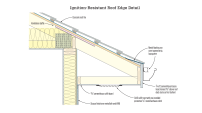
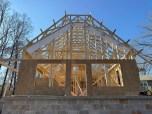
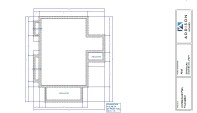
Davis, California, is hot — its summer design temperature is 103°F. So it was a bold move when researchers at Pacific Gas & Electric Co. (PG&E) proposed to build an experimental house with no air conditioning. The project was called ACT2, and according to Lance Elberling, research associate at PG&E, the goal was to put an integrated package of the latest energysaving technologies into a marketable house design. Together with designers at the Davis Energy Group, a local energy consulting firm, PG&E staff analyzed the building as a system, rather than as a set of discrete components. The end result was a building shell that was remarkably effective at resisting summer heat gain. The designers looked at 86 possible energy-saving
Focus on Energy: Wall Details for Cooling Climates
1 MIN READ