True, the temptations loom large and numerous: You’re not good at paperwork or taking tests, so why sit through a test for a license? And why pay for all those building permits just so the inspector can hassle you to death? Why carry all that incredibly expensive insurance when you never have accidents? Why do this stuff when you’re competing with some guy who works out of his pickup and doesn’t spend money on any of it?
Good questions, all. It’s hard to be competitive when you do everything you’re supposed to, yet know the system is rigged against you if you don’t. Okay, maybe “rigged” isn’t the right word. It’s just that the system is geared to worst-case scenarios and you probably already make an enormous effort to avoid worst-case outcomes.
Following all the rules is like paying huge auto-insurance premiums for years but never having an accident. Somehow you feel cheated. It’s not that you wanted a whiplash injury, but who wants to spend all that money and not have anything to show for it?
Licensing
Let’s address one issue at a time. Why bother getting a license? First, if you want your company to grow beyond the working-out-of-your-pickup stage, you’ll find that the clients with large jobs — the bigger remodels and houses that are financed by lending companies, and the commercial work — aren’t interested in your bids if you don’t have a license.
Another reason it’s definitely worthwhile to get your license has to do with the way most states enforce laws about contractor licensing. Most communities don’t have a staff to patrol building sites and ask to see your licenses. But if a customer for a job worth more than a certain amount of money doesn’t pay you, state law says you can’t sue to collect that money if you have no license. You may build someone a $10,000 addition, and when you turn in the invoice, the customer can say, “Oh, gee, you aren’t licensed, are you? Guess I don’t have to pay.” And in many states he can get away with it.
Still not convinced you need that license? Consider this: It may be a crime in your state to work without one — a real crime, as in jail time and fines. I don’t know how many states rigorously enforce this, but those laws are on the books in many places, and states could enforce them if they wanted to.
Building Permits
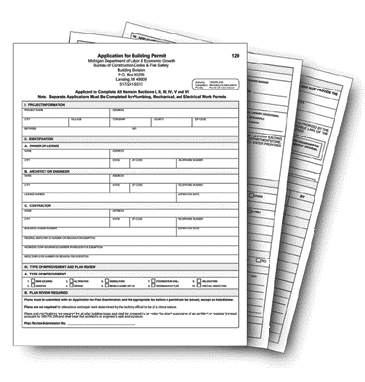
Michigan, where I live, has adopted a property-tax law that contains a huge disincentive to getting a building permit. It’s too complicated to explain here, but the point is that there are customers who will go out of their way to find contractors who will build without permits.
But so what? Why bother with permits and inspections anyway? A couple of reasons: First, it’s the law. Second, the release of funds by the bank is often tied to the permitting and inspection process; the bank won’t pay unless all the documents are in order.
Breach of contract. Here’s another source of motivation for getting those inspections and permits: If your customer decides you didn’t do the job right, the final inspection permit is a terrific legal tool to use as a defense against a breach-of-contract lawsuit. Your argument could be that the job meets industry standards because the building can be used for its intended purpose. The fact that an occupancy permit was issued is proof that this is so.
And don’t underestimate the value of the dispassionate eye. When you have an experienced building inspector hanging around, he’s not in love with your work, and he doesn’t get his paycheck with your name at the bottom, so he doesn’t have a problem telling you if you’re doing it wrong. Unless you’re hiring a construction engineer to look over your shoulder, that’s very useful information.
Here’s one final reason to pay attention to both permitting and licensing issues: If you don’t, you’re taking the risk that someone in authority will show up on your job site and shut you down. Yes, someone could do that: close the job right down. And after that, anyone who comes on that job site and tries to do some work while the permits and licenses are being straightened out could be arrested.
Insurance
Last, but not least on the money scale, are all those insurance premiums: workers’ comp, liability, comprehensive property damage. And of course you design-builders should carry errors and omissions.
What do you get for all this money? For starters, it could save your business. If a tornado or a flood comes, if a neighborhood kid cuts off his arm with the circ saw you turned your back on, if your roofer falls onto the rebar that’s sticking up from the concrete — that’s what insurance is for. These are all events that could put you out of business if you don’t have that insurance. And they are events that happen all the time.
Is the insurance too expensive? Well, that’s another question for another time. The question here is: Do you need it? And the answer is yes, you do.
Quenda Behler Storyhas practiced and taught law for more than 25 years and is the author of The Contractor’s Plain-English Legal Guide (www.craftsman-books.com).