- Q. While renovating a home in New Jersey, I found a fungus-like growth a few inches long growing between the tile floor and the base molding in the bathroom. The house is on a concrete slab. Is there anywhere I can have this growth tested to see if it is poria?
A.Stephen Quarles, cooperative extension advisor on wood durability at the University of California Forest Products Laboratory in Richmond, Calif., responds: Yes, there are laboratories that can identify fungi based on culturing samples taken from decayed wood on site, but the process can be time consuming and the service may not be free. Two laboratories that provide the service are the Center for Forest Mycology Research at the U.S. Forest Products Lab in Madison, Wisc. (contact Harold Burdsall, 608/231-9234), and the Department of Forest Products at Oregon State University in Corvallis (contact Jeffrey Morrell, 541/737-4222). Should you decide to pursue this, call Dr. Burdsall or Professor Morrell for specifics on how to collect and prepare the sample for shipment.
Because the laboratory procedure can take a month or longer to complete, it may be safer for you to diagnose it in the field. Meruliporia incrassata (the recently changed scientific name for poria) can be identified by the presence of the water-conducting rootlike tube called a rhizomorph and by the appearance of the fruiting body and the dark colored spores it produces. The rhizomorph looks like a barkless root and smells like a mushroom if broken open.
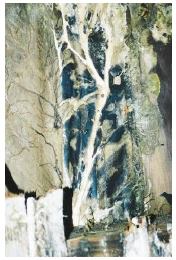
Figure 1.The rhizomorph of the poria fungus is a rootlike tube.
Since the required repair scenario for homes damaged by a water-conducting decay fungus is different from that for non-water-conducting decay fungi, it is critical to determine whether or not the damage has been caused by poria. For non-water-conducting decay fungi, you have to find the source of liquid water that is making the wood wet enough for decay to occur, and stop it. With poria, the rhizomorphs supply the water, and therefore they all need to be found and severed. Severing the rhizomorphs will eliminate the water source and kill the fungus.
Finding and cutting the rhizomorphs can be difficult, particularly with slab-on-grade construction. The rhizomorphs can move through some very tight openings, such as plumbing penetrations and cold joints between two concrete pours. To prevent poria from infecting the house again, you need to change the construction detail that allowed the rhizomorph to get to the house without drying out (for example, by providing an adequate air gap between wood and soil).
Figure 2.One identifier of Meruliporia incrassata is its fruiting body.
Because of the importance of finding the rhizomorphs, you should consider enlisting the help of a pest control operator with poria experience. A presentation on fungal damage in buildings is available from the University of California Forest Products Laboratory.
Q&A: Identifying Poria Fungus
Identifying Poria Fungus
2 MIN READ