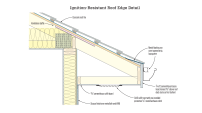
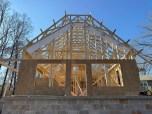
The term “cathedral” ceiling must have been invented during the 1920s by some over-zealous real-estate agent. It has stuck, and now it is applied to any residential space that does not have a flat ceiling. Cathedral ceilings can be expressive and beautiful; especially when the interior finish follows a complex geometry of intersecting roofs and gables, as in a second floor bedroom under the eaves. But then the geometry is very simple – just a gable-ended room, for instance – simply plastering over the joists can create a strangely artificial and bland character unless the proportions of the room are perfect. In this case, exposed structure and texture on the ceiling may be called for. On a ceiling with a
Building With Style: Cathedral Ceiling Solutions, Part I
1 MIN READ