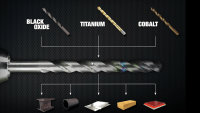
Different metals call for different drill bits—black oxide for mild steel and general-purpose work, cobalt for stainless and other hard metals, and titanium-coated bits for faster drilling and longer life in certain applications. You almost need to be a metallurgist to know which bit to reach for.
That’s changing.
A new generation of metal-drilling bits moves easily from one material to the next. For contractors, that versatility could be a game changer, with less guesswork and fewer bit swaps.
It Starts at the Tip
A drill bit’s ability to perform across different metals begins with the accuracy and geometry of its cutting tip.
The latest drill-bit technology uses precision-ground split points that engage the surface quickly and prevent the bit from walking or skating across the metal before it begins cutting. A 130-degree point angle can balance performance in mild steel and harder materials such as stainless steel.
It’s a small design change with a big impact. A properly centered split point can help contractors place a clean, accurate hole with less reliance on a deep center-punch mark, particularly when drilling sheet metal, brackets, electrical enclosures, or finished surfaces where there is little room for error.
Cutting Instead of Grinding
Traditional metal bits can generate substantial friction as they work through the material. The resulting heat can dull the cutting edges, damage the coating, and quickly drain a cordless drill battery.
Newer cutting geometries remove material more efficiently rather than simply rubbing or grinding against it. Enhanced flute designs evacuate chips from the hole before they accumulate around the cutting edge, helping reduce drilling time and heat buildup.
Advanced coatings further protect the cutting edges from the high temperatures associated with drilling harder metals.
Technique Still Matters
But even the most versatile drill bit cannot compensate for poor drilling practices.
One of the most common mistakes is running the drill too fast, particularly in stainless steel or when using a larger-diameter bit. Excessive speed can quickly damage the cutting edge. As a general rule, drill speed should decrease as the material becomes harder or the bit diameter increases.
Pressure matters, too. Too little pressure may cause the bit to rub against the metal rather than cut it. Too much pressure can generate excess heat, dull the bit, or cause it to snap.
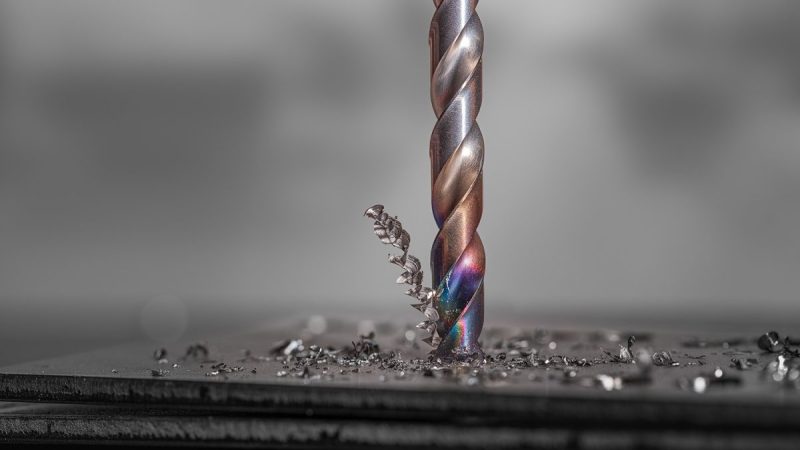
Chip formation provides a useful visual guide. Fine dust rather than chips may indicate that the bit is grinding instead of cutting. Blue chips can signal excessive heat. Ideally, the bit should produce defined chips that travel up and out through the flutes.
Contractors should also keep the drill at a 90-degree angle to the material. Changing the angle after the bit has entered the metal creates a side load that can place significant stress on the bit and lead to breakage.
Lubrication can further reduce friction and extend bit life, especially when drilling stainless steel or thicker material. Cutting oil also helps carry heat away from the cutting edges and can improve the quality of the finished hole.
A Game Changer for Contractors
For contractors, the real value of modern drill-bit design is the ability to move between different metals without sacrificing performance. Diablo’s Metal Demon drill bits exemplify that evolution by combining the features that help improve accuracy, chip removal, durability, and overall productivity. Learn more.