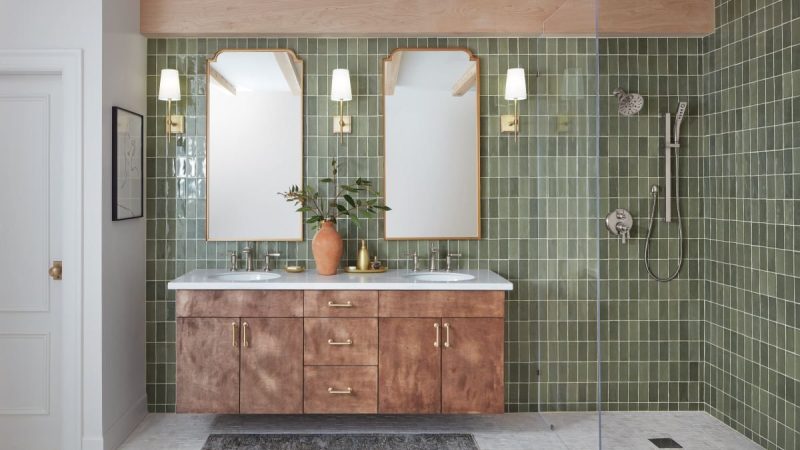
Bathroom additions continue to be one of the most requested residential remodeling projects, whether homeowners need additional functionality, improved accessibility, or more living space. For builders, a successful bathroom addition starts well before framing begins. Early planning, thoughtful product selection, and coordination between trades help keep projects on schedule while delivering a finished space that performs for years to come.
Evaluate Existing Infrastructure First
Before selecting fixtures or finalizing layouts, assess the home’s plumbing, electrical, and HVAC systems. Locating a new bathroom near existing supply and drain lines can reduce labor, simplify installation, and limit structural modifications. If plumbing must be extended across the home, identifying those challenges during planning helps avoid unexpected costs once construction begins.
Ventilation should also be addressed early. Confirm the proposed location can accommodate code-compliant exhaust ventilation and account for any electrical requirements before rough-in begins.
Make the Most of the Available Space
Many bathroom additions can be created by repurposing existing square footage rather than expanding the home’s footprint. Oversized closets, unused offices, or sections of large bedrooms often provide opportunities for efficient layouts. In smaller spaces, fixture selection plays a significant role in maximizing functionality.
Wall-mounted vanities, compact toilets, and streamlined shower systems help preserve floor space while maintaining comfort. Builders should also verify fixture clearances during design to ensure layouts meet local building codes and support efficient installation.
Help Clients Balance Style and Performance
Homeowners often prioritize aesthetics, but builders add value by explaining how product selections affect installation, maintenance, and long-term performance.
Curbless showers, freestanding tubs, and smart plumbing fixtures can elevate the finished space but may require additional framing, drainage planning, or dedicated electrical circuits. Discussing these considerations early allows clients to make informed decisions and helps reduce change orders during construction.
Prioritize Durable Materials
Bathrooms experience constant exposure to moisture, making durable materials essential. Waterproofing systems, quality plumbing fixtures, water-resistant flooring, and low-maintenance surfaces help minimize future repairs and callbacks.
Products such as quartz countertops, large-format tile, and premium plumbing fixtures continue to be popular because they combine lasting performance with the appearance homeowners expect from a new bathroom.
Build for Long-Term Use
Many homeowners plan to remain in their homes for years after completing a bathroom addition. Incorporating universal design features during construction can increase long-term functionality with minimal impact on the project budget.
Blocking walls for future grab bars, specifying comfort-height toilets, widening door openings when practical, and designing curbless shower entries can make the space more accessible over time while broadening its appeal for future buyers.
Coordinate Trades Early
Bathroom additions require close coordination between plumbing, electrical, HVAC, tile, and finish trades. Confirming fixture specifications before rough-in, verifying product lead times, and maintaining communication throughout construction can help prevent delays and reduce rework.
Although homeowners ultimately see the finished bathroom, builders know the project’s success depends on careful planning from the outset. By focusing on infrastructure, efficient layouts, durable materials, and trade coordination, contractors can deliver bathroom additions that stay on schedule, meet client expectations, and perform well long after the project is complete.
To learn more, visit fergusonhome.com.